
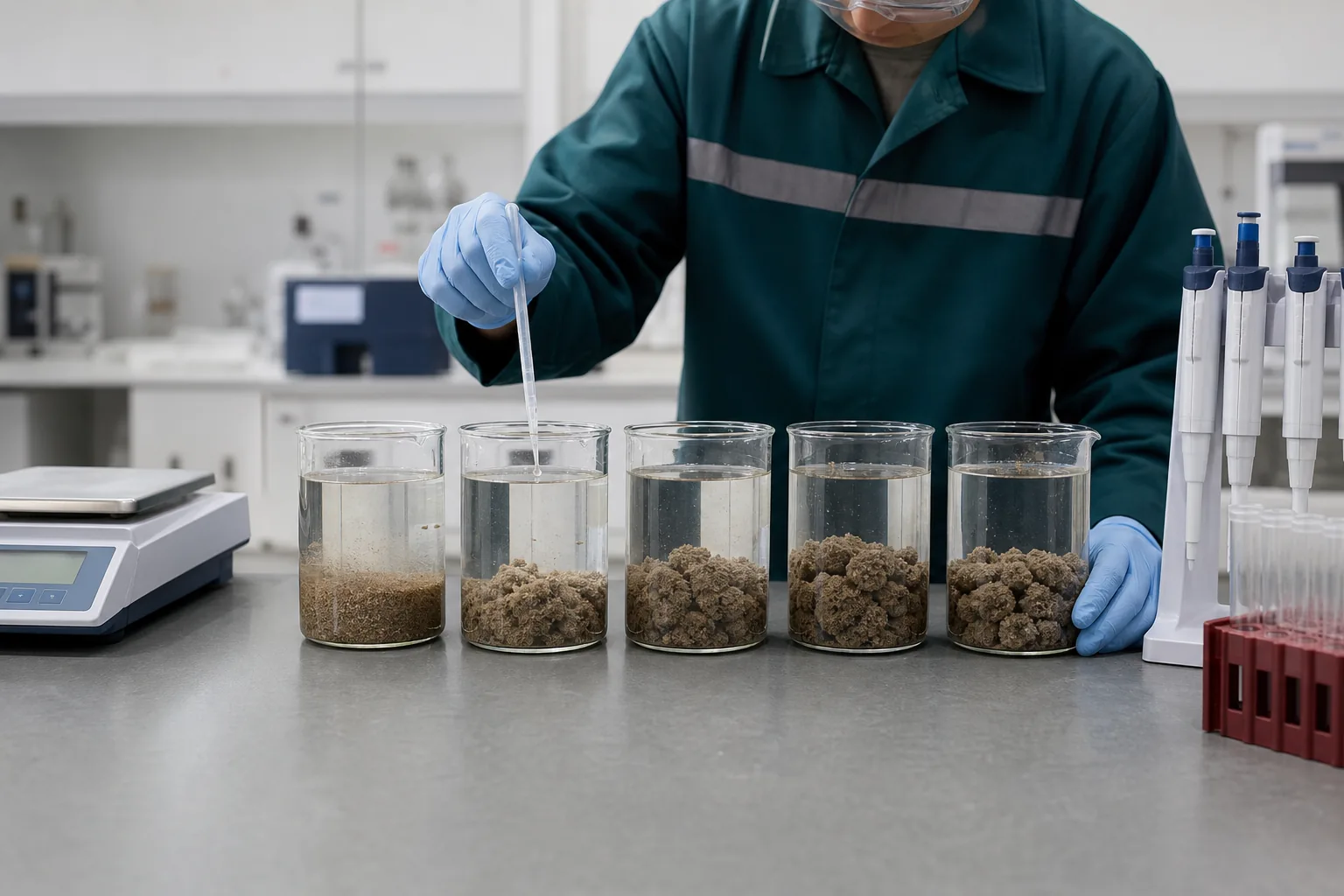
Identify the lot and sampling boundary
Confirm code, batch or batches, packaging and the quantity represented. Agree whether the review concerns analytical conformity, application response, packaging or several distinct requirements.
If a shipment contains multiple lots, decide how each is represented. Do not assume that one convenient jar or a previously supplied sales sample describes every package in the order.
Agree how the sample is selected
Have the appropriate buyer, supplier and inspection parties define a suitable procedure, access and witness requirements. Keep any statistically based or safety-sensitive method under qualified review.
Record selection location, time, package references, handler and any deviation. Do not describe an unwitnessed sales sample as independently selected or a single visual check as a complete shipment inspection.
Preserve identity during testing
Use labelled and appropriately sealed samples, retaining chain-of-custody and storage instructions. Record how material is divided for supplier, buyer or independent testing where agreed.
Keep code and batch on the preparation sheet. Apply the original concentration, water, mixing and age definitions so a changed procedure does not create an apparent product discrepancy.
Use the agreed acceptance method
Compare analytical results with the relevant specification and method. Where application testing is required, use a representative feed and a retained approved control if suitable.
The batch acceptance sequence separates document conformity from process performance. Preserve inconclusive results when sample condition or feed changed rather than forcing an unsupported pass or failure.
A dispatch authorization record
List which conditions must pass, who reviews the evidence, who authorizes shipment and how unresolved findings are handled. Keep any concession or retest approval in writing and limited to the affected lot.
Use the PAM pre-shipment review enquiry with product, lot, destination and the proposed test scope. Sampling arrangements, independent inspection availability and release timing require actual agreement; they are not automatic services implied by a factory-supply description.
Sampling and release evidence
| Checkpoint | Evidence to retain | Decision boundary |
|---|---|---|
| Representation | Record code, lot or lots, packages represented and the agreed qualified selection procedure. | A convenient sales sample or one earlier approved jar does not automatically represent the intended commercial shipment. |
| Custody | Keep selection time, package references, handlers, seals, sample division and storage conditions as agreed. | Missing identification or uncontrolled handling can make a later analytical difference inconclusive. |
| Authorization | Record agreed tests, review owner, deviations, retest or concession and the final dispatch decision. | A witness arrangement or independent service must be confirmed; it is not automatic from a factory-supply description. |